

Regional info
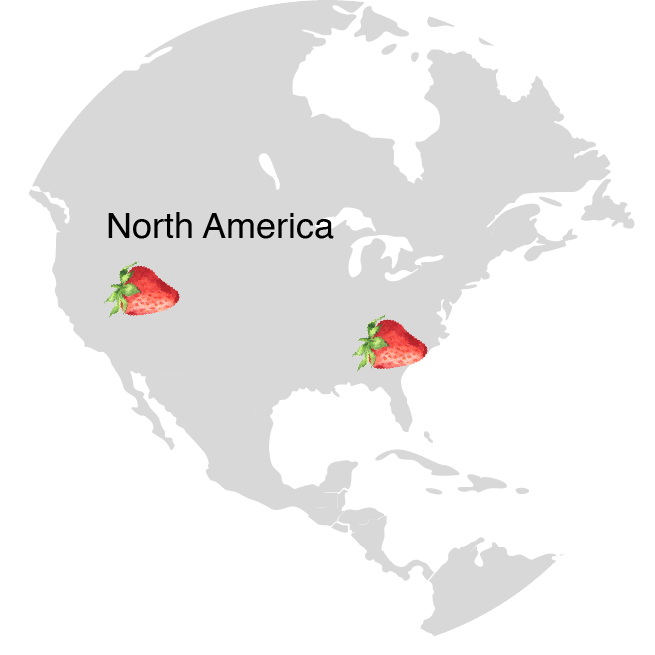
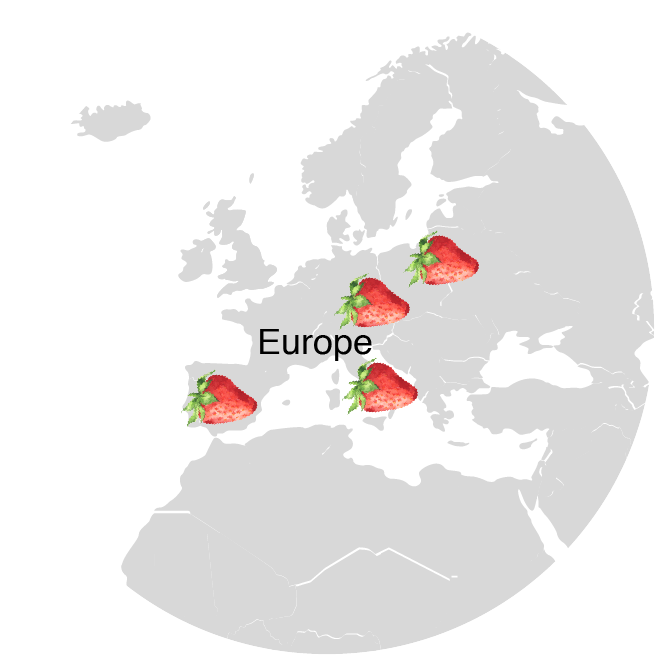
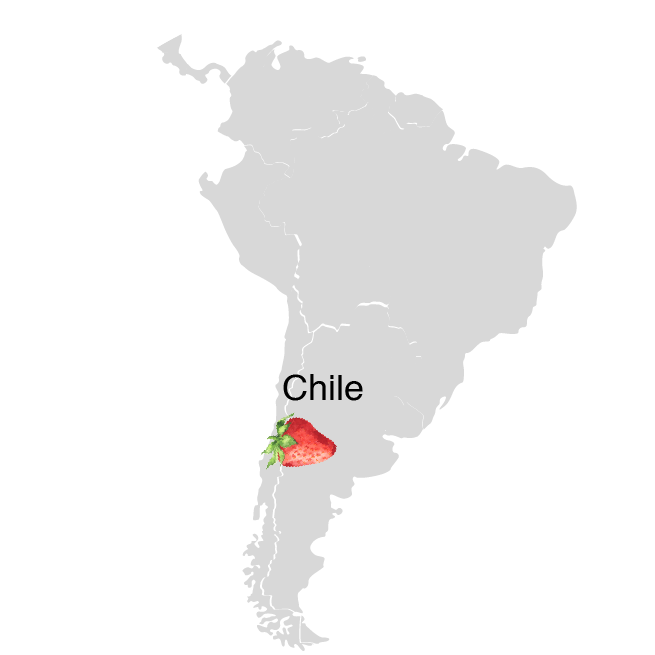
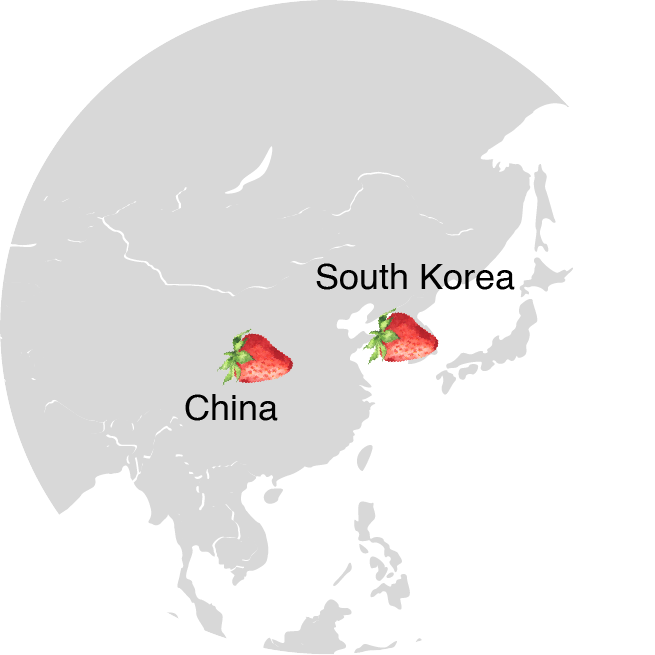
Mediterranean Regions (Spain, Israel, Morocco): Emphasize drip fertigation and careful summer irrigation scheduling. Temperate Zones (Europe, North America): Focus on soil organic matter and frost protection during early bloom. Subtropical Areas (Peru, Chile, South Africa): Manage pH stability and control excessive vegetative growth.

Growth Stages
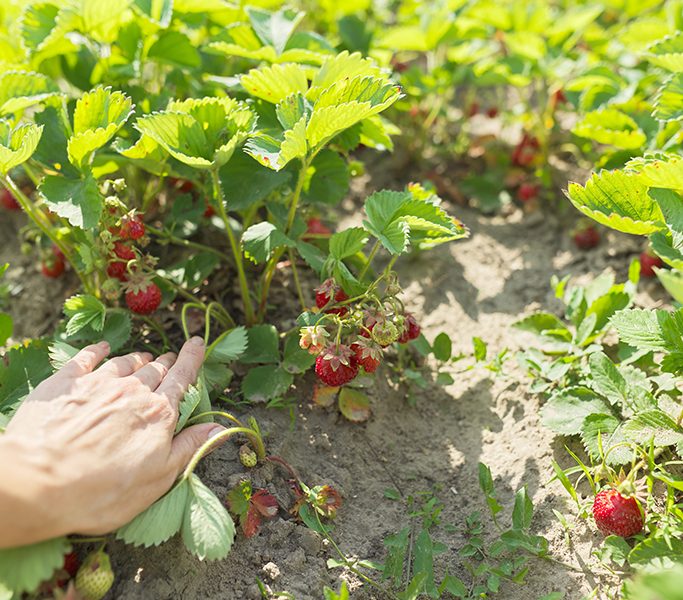
Establishment (0–2 years) – Root and shoot development. Sensitive to salinity and poor drainage. Vegetative Growth (spring) – Leaf canopy and shoot elongation determine fruiting potential. Flowering & Fruit Set (late spring) – Adequate Nitrogen and Phosphorus are essential for flower differentiation and fruit initiation. Fruit Development (summer) – Potassium and Calcium enhance fruit size, firmness, and shelf life. Post-Harvest (late summer - autumn) – Focus on replenishing carbohydrates and strengthening plants for the following season.
Sustainability Focus
A short description of the service and how the visitor will benefit from it.
