Asparagus
Overview
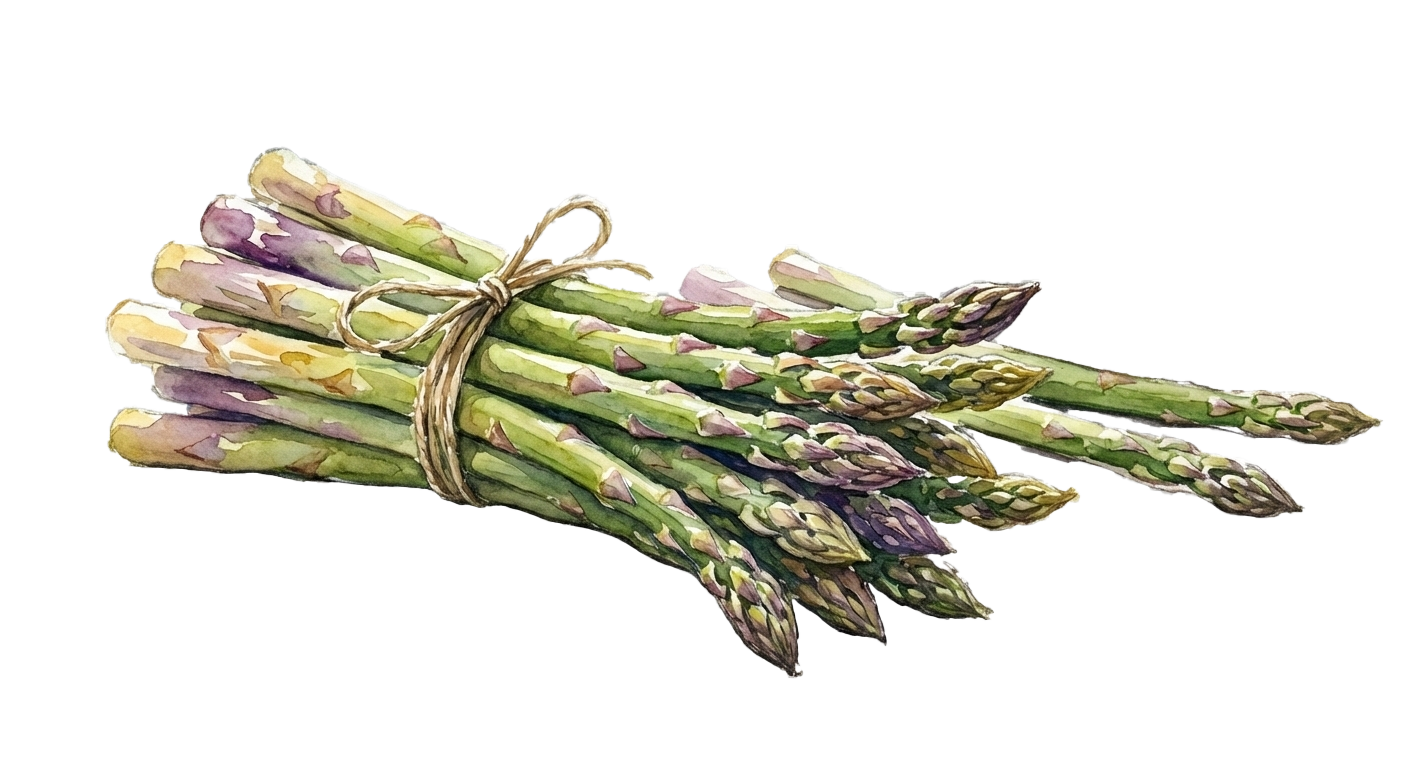
Asparagus is highly valued for its delicate flavor, unique texture, and high nutritional value. It is low in calories and rich in dietary fiber, folic acid, vitamin K, vitamin C, antioxidants, and essential minerals. These components contribute to a balanced diet, support digestive health, and help maintain overall well-being.
The plant has a perennial root and crown system, allowing it to regenerate each year and produce new spears during the growing season. After the harvest period, the plant develops green, fern-like foliage, which is essential for photosynthesis and for storing carbohydrates in the roots for the following season.
Asparagus requires deep, well-aerated, and well-drained soils, as it is particularly sensitive to excess water and oxygen deficiency in the root zone. The establishment phase is relatively slow, but once the crowns are properly developed, the plantation can remain productive for many years.
Asparagus grows successfully in temperate to warm climates, depending on the cultivar and growing conditions. Thanks to varietal improvement, precise irrigation technologies, and advanced crop management, it has become an important commercial crop in many markets around the world, both for the fresh market and for the food industry.
Soil
Asparagus grows best in deep, well-drained sandy or sandy-loam soils where crowns can establish without risk of waterlogging. High aeration is essential. Optimal soil pH is 6.5–7.5
Irrigation
Drip irrigation is preferred to maintain uniform moisture levels while minimizing foliage wetting and disease risk
Temperature
Optimal growth occurs between 18°C and 30°C
Light
Full sunlight is needed for strong spear production and vigorous fern growth, which is crucial for carbohydrate storage
Global Production