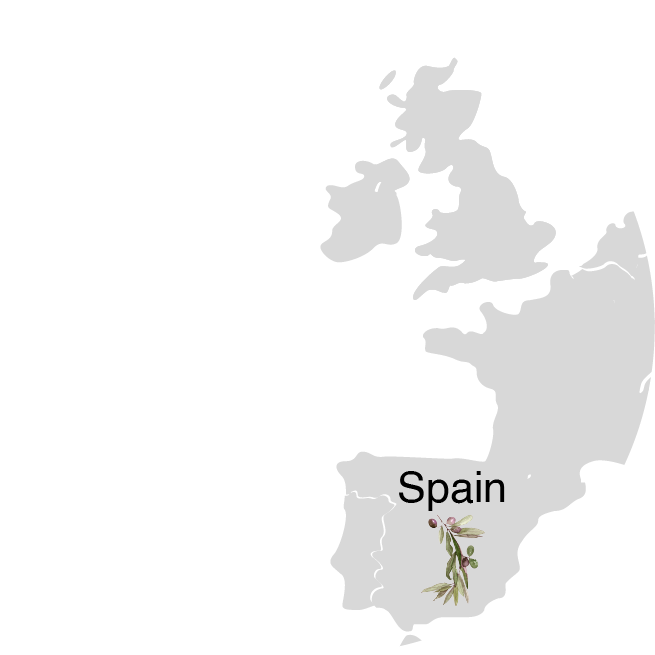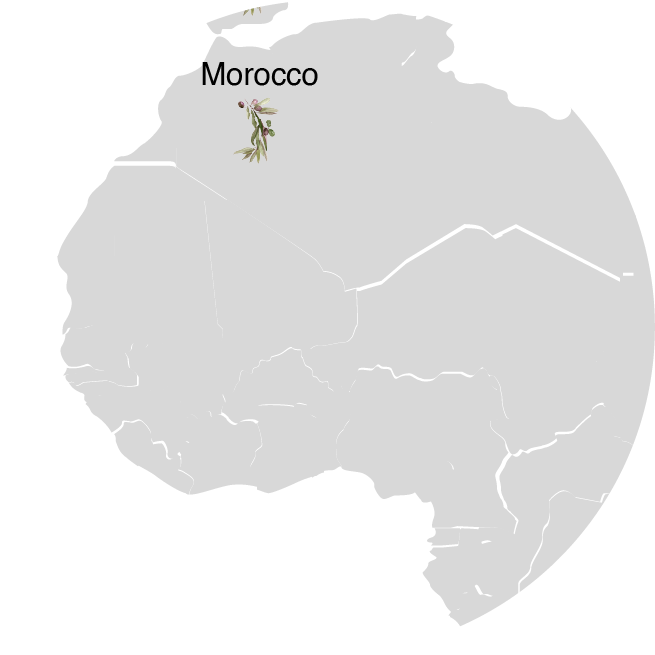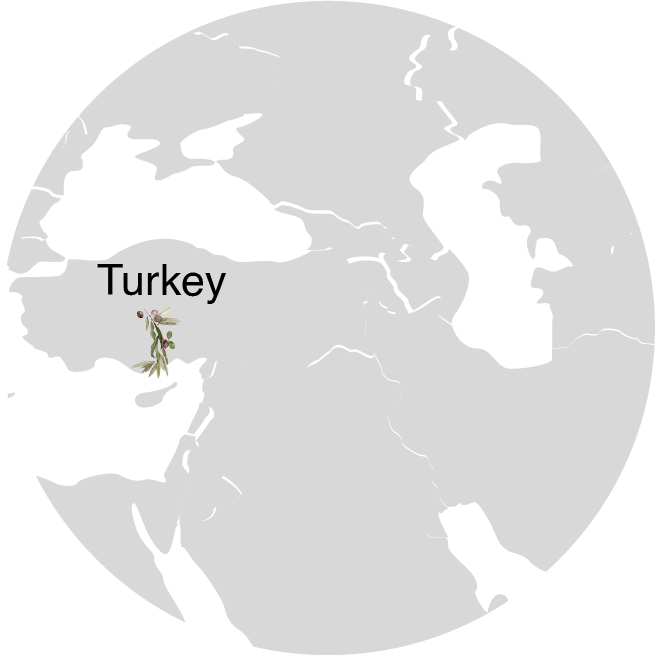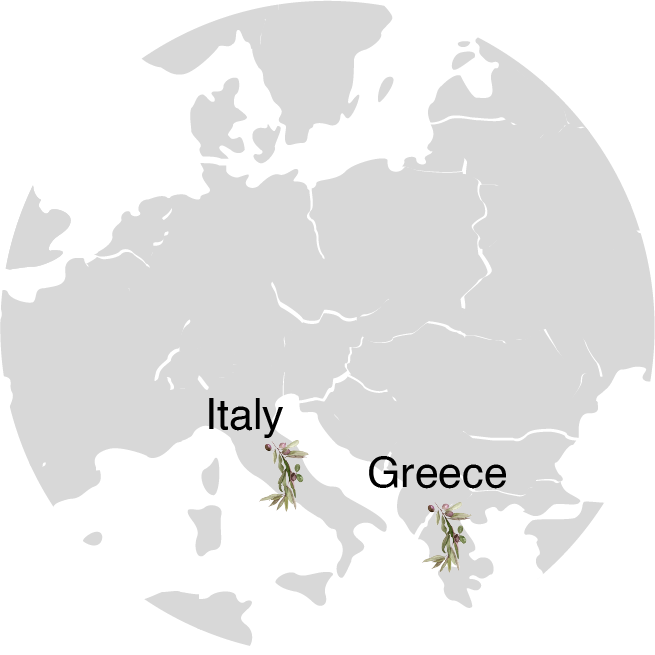
Olives
Overview
They are primarily grown for their oil-rich fruits and high-value table olives. Olive oil is globally recognized for its health benefits, being rich in monounsaturated fats (mainly oleic acid), polyphenols, and antioxidants that support cardiovascular health.
Olive trees are highly resilient, adapted to dry climates, calcareous soils, and long hot summers. They have deep, extensive root systems that allow them to withstand drought.
While generally hardy, olives require specific climatic cues for optimal flowering and fruit set, including adequate winter chill and stable spring temperatures.
Soil
Olives grow best in well-drained, moderately fertile soils such as sandy-loams or loams. They tolerate calcareous soils and pH values between 6.5–8.5. Good drainage is essential to avoid root diseases caused by waterlogging
Irrigation
Although drought-tolerant, olives achieve higher yields and better fruit size with controlled irrigation. Drip irrigation is preferred to maintain consistent soil moisture while preventing stress during flowering and fruit development
Temperature
Optimal temperatures range between 20°C and 30°C
Light
Full sunlight is essential for high oil content, uniform fruit ripening, and strong annual growth. Shading reduces flowering and overall productivity
Global Production