




Overview

Blueberries are perennial shrubs from the heath family (Ericaceae) and are considered one of the world’s most important “superfood” crops.

They are characterised by exceptionally high nutritional value, including a notable concentration of anthocyanins – natural pigments responsible for their blue-purple colour and their strong antioxidant properties.

These compounds help reduce inflammation, support heart health, improve visual function (especially night vision), and slow cellular ageing processes. In addition, blueberries are rich in dietary fibre, vitamin C, vitamin K, and essential minerals.

The shrub has a shallow root system and is adapted to highly acidic soils – a trait that limits cultivation to certain climate zones and requires careful soil management. Some cultivars are deciduous and require a prolonged chilling period to break dormancy, while others are evergreen and suited to milder climates.

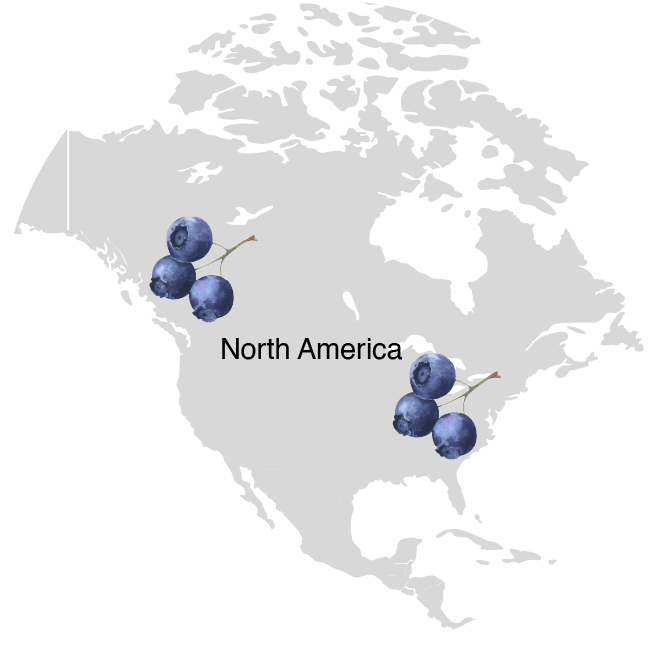
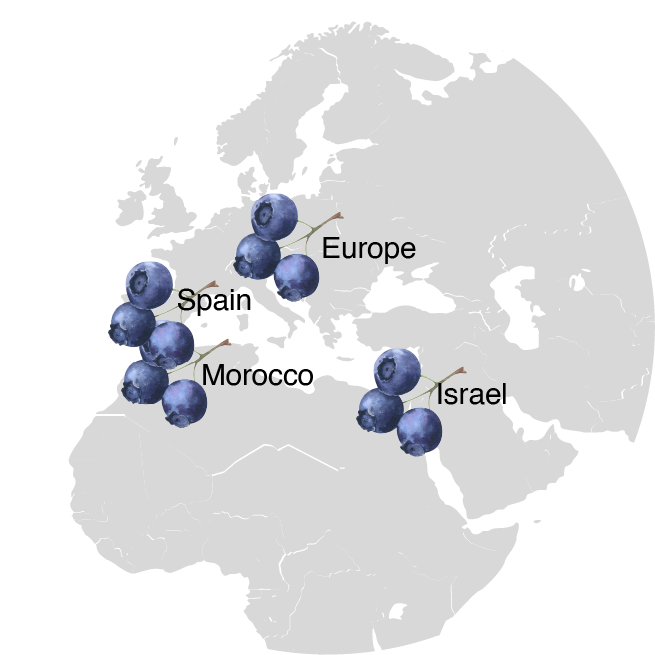
Blueberries grow naturally in wetland areas and on moist slopes in North America, but with advances in cultivation methods, planting in acidic growing media, and precise irrigation technologies, they have become a significant commercial crop worldwide. Strong global demand stems from the combination of delicate flavour, high nutritional value, and versatile uses in both the fresh market and the food industry.

Soil

Highly acidic soils (pH 4.5-5.5), well aerated and rich in organic matter; highly sensitive to lime (calcareous conditions) and salinity

Irrigation

Continuous drip irrigation and maintaining uniform moisture; avoid saturation due to the shallow root system

Temperature

Optimal range: 16-25°C. Highly sensitive to frost during flowering and to extreme heat

Light

Full sun is required for colour development, sugar accumulation, and fruit quality

Global Production

More Agricultural Crops

Powered by JUNAMI © 2026 All rights reserved.

This website uses cookies to ensure proper functionality and improve your experience. Learn more in our Privacy Policy.