
Mineral Nutrition of Mango Plantations
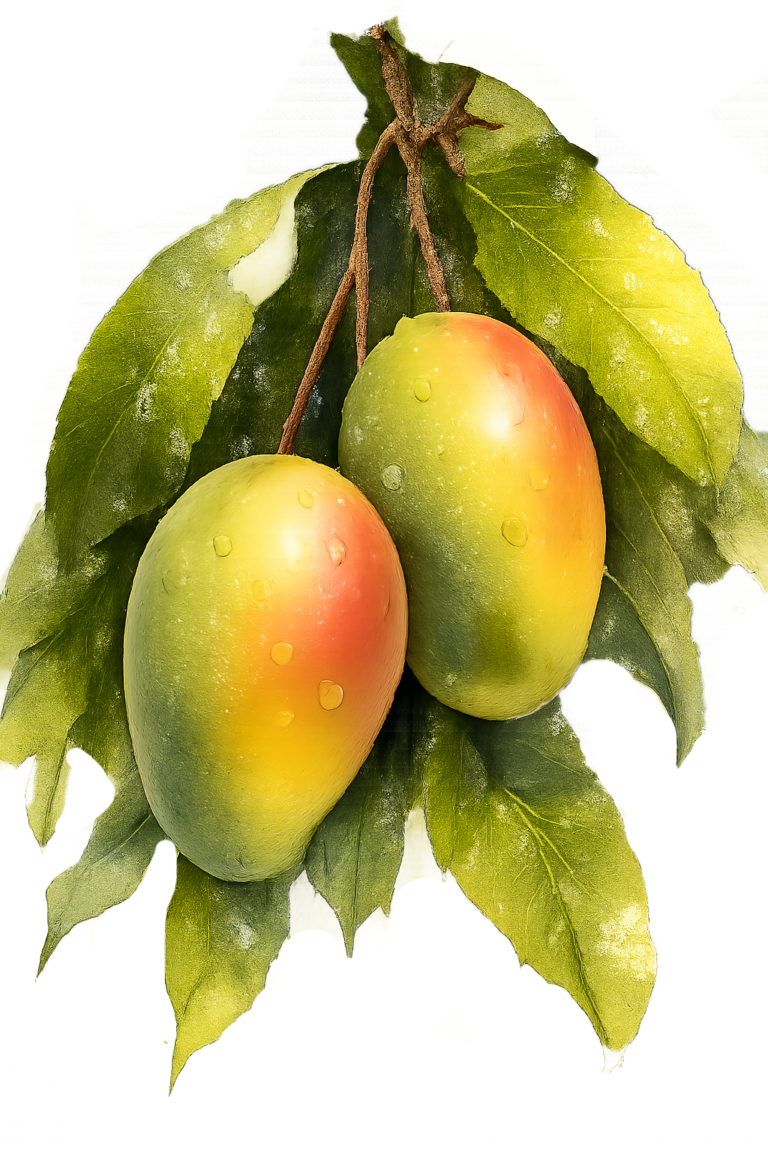
Mango (Mangifera indica) crop is a vigorous evergreen tree, belonging to the Anacardiaceae botanical family, that also hosts other important crops i.e., cashew, pistachio, sumac and marula. It is native to tropical and subtropical areas in Malaysia, but a few species occur in temperate regions too.
Mango Optimal Fertilization
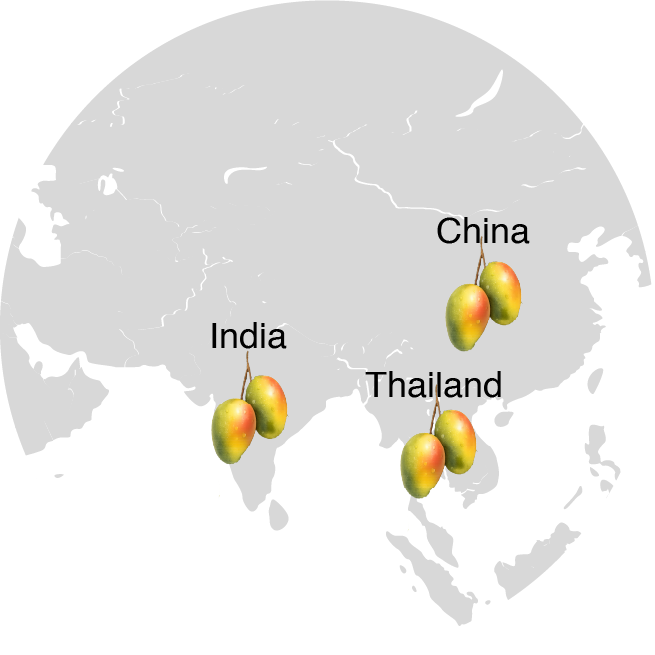
Mango crops belong to the Anacardiaceae family, originated from South Asia - Burma and Eastern India. Apart from excellent taste, Mango is considered to be very healthy (superfood). The fruit contains dietary fibers that are helpful for digestion, as well as antioxidants and many vitamins, including vitamin B6 that boosts brain function, vitamin C (20 times more than an orange!), and much more.
Sustainability Focus
A short description of the service and how the visitor will benefit from it.
